

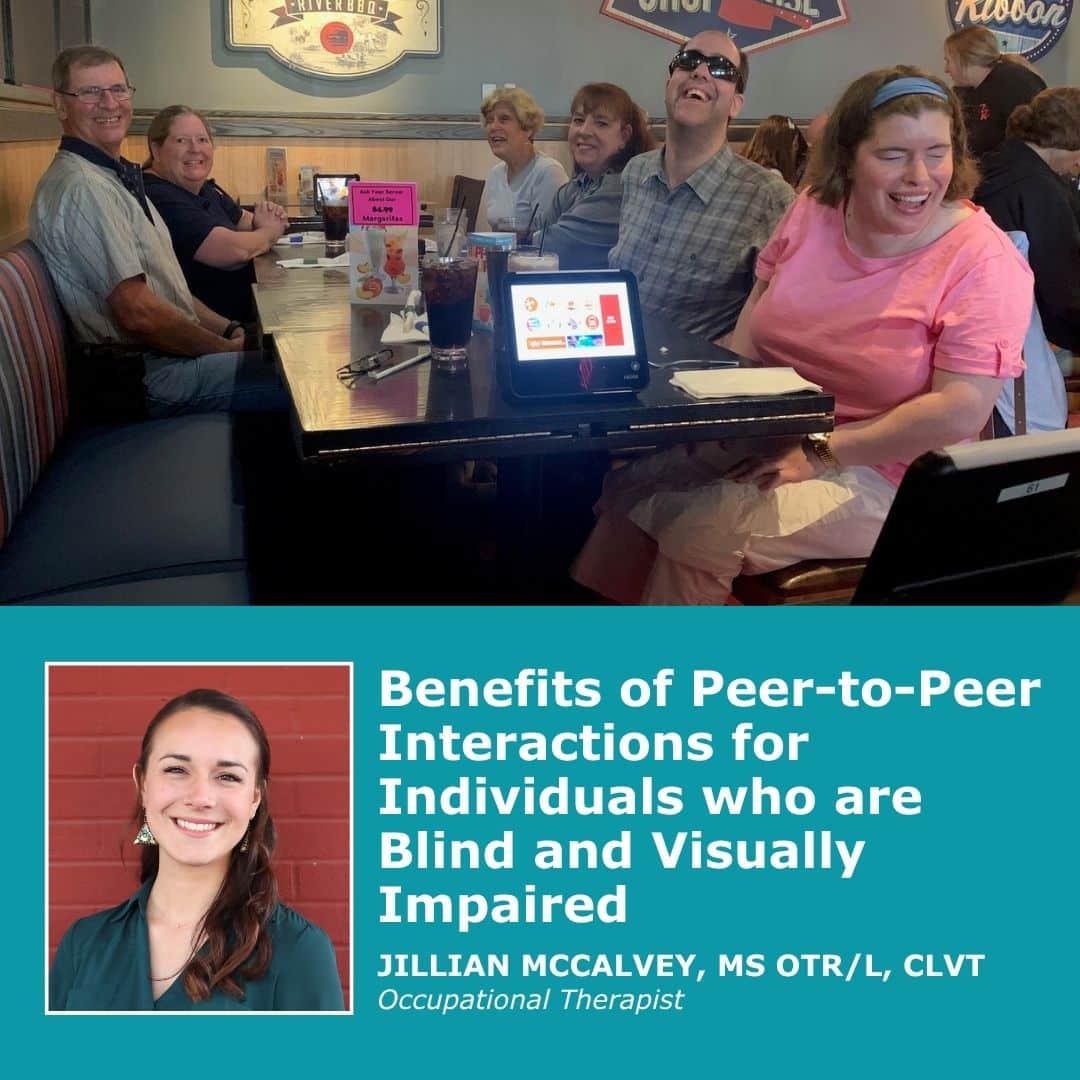
Adjusting to vision loss often involves more than learning new ways to complete daily tasks. It can bring changes to confidence, independence, and how individuals connect with others. Building relationships with peers who share similar experiences can be a powerful way to foster both practical growth and a renewed sense of connection.
Reducing Isolation
Vision loss can feel isolating, especially when daily routines and social roles begin to change. Connecting with peers helps individuals recognize that they are not alone. Hearing familiar experiences and challenges can bring a sense of relief and comfort, which supports emotional adjustment and encourages continued participation in rehabilitation.
Sharing Practical Strategies
Peer interaction creates a natural space for sharing ideas and problem solving. During workshops and group activities, participants often exchange tips for managing everyday tasks, using technology, or adapting their environments. These real-life strategies are practical, relatable, and often easier to apply because they come from someone with shared experience.
Building a Support Network
Support groups and workshops provide opportunities to form meaningful relationships. These connections often extend beyond structured programs, giving individuals someone to reach out to when they need encouragement or guidance. Over time, this builds a strong and supportive community.
Confidence and Engagement
Being part of a group helps individuals feel more comfortable trying new skills and taking on challenges. Seeing others succeed and share their progress can be motivating. This increased confidence often carries over into daily life, supporting greater independence and participation.
A Key Part of Holistic Care
Incorporating peer support into care allows individuals to move forward with greater assurance, knowing they are supported by both professionals and others who share their journey.
Many programs offered through Future In Sight create valuable opportunities for connection. Whether it’s the Silver Retreat, support groups, workshops, or activities offered both online and in person, individuals can engage with others who truly understand their experiences.
About the Author: Jillian McCalvey, MS OTR/L, CLVT is an Occupational Therapist at Future In Sight. She visits adults and seniors in their homes to teach them strategies on how to use technology and navigate their environment with vision loss. Click here to learn more about the services Future In Sight offers.